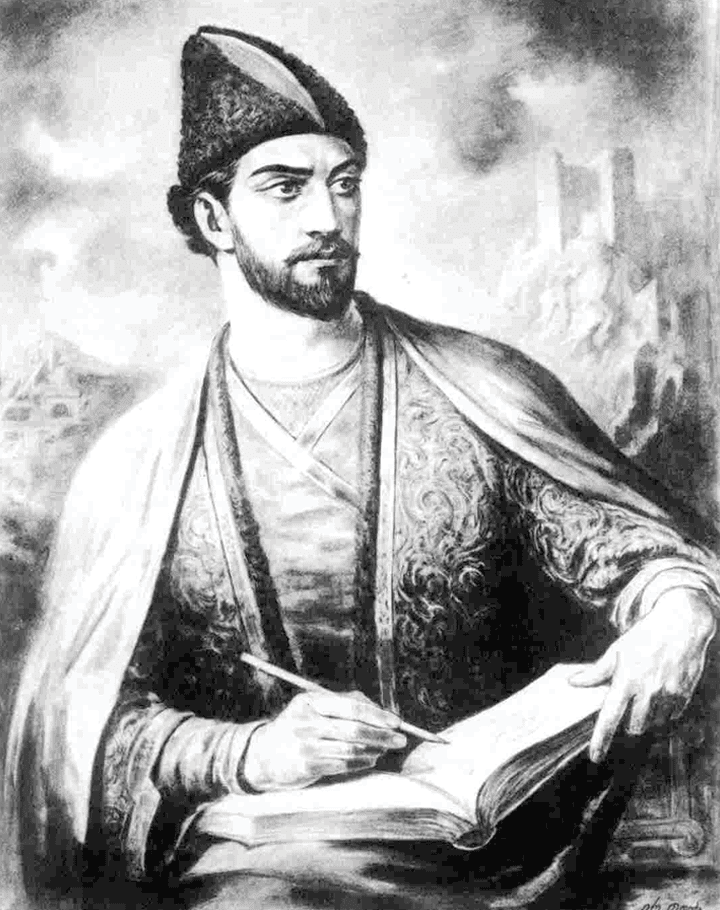
Shota Rustaveli: The De Facto Advocate of the 12th Century
When we were taught The Knight in the Panther's Skin in school, we were primarily assigned passages to memorize or asked to write essays on topics like "the representation of women." While this might have been the norm, every time I return to this epic today, I discover something new. We learned the poem by heart, yet we rarely reflect on why its content is such a profound treasure;
Imagine 12th-century Georgia—a monarch during whose reign this masterpiece was created, yet history says little else about them. However, many ideas conveyed in the epic remain alive today. When Avtandil advises the king, "Give the poor your wealth, free the slaves," it is not merely a beautiful phrase; it is an allegory through which the author expresses his view that the most praiseworthy act for a sovereign is not "kingship" itself, but rather what true kingship entails: distributing wealth from the treasury to the poor—or "beggars" in today’s terminology. The author reminds the king of the original purpose of the state: a ruler does not collect taxes to live in luxury, but to fairly distribute the public wealth to those who have nothing—the socially vulnerable in modern terms;
The second directive addressed to the king is "free the slaves." This passage is particularly fascinating because, in that era, a king could not rule without commanding people. In the royal view, this authority was ordained by God, thus granting the sovereign the right to own "slaves." Yet, even here, the poet enters into an allegorical conflict with the monarch, suggesting that the ultimate testament to his kingship is to liberate those whom he himself has deprived of freedom;
The UN Universal Declaration of Human Rights (and previously, the Treaty of Brussels) prohibited slavery. Today, it is almost impossible for anyone to favor or accept slavery, but in the 12th century, it was the established norm. The poet, however, asks his king to deviate from this very norm;
The question arises: why does the author of The Knight in the Panther's Skin do this? What is his objective in voicing these ideas, and doing so in a way that presents them as a character’s outcry rather than the poet's direct assertion? The Georgia—and the world—of that time was not as we imagine it today. The most vulnerable classes were the poor and the slaves. Not only were their rights unprotected, but they simply did not exist. A slave was considered an object, to be disposed of entirely at the owner's will. The poet is well aware of this, yet he reveals a profound desire to defend the rights of the most defenseless stratum;
Human rights are not alien to the poet; on the contrary, any convention on human rights and freedoms, be it from the UN or the Council of Europe, is saturated with the very ideas carried by The Knight in the Panther's Skin. Stating that "slavery is forbidden" is easy to say now, but declaring it when slavery was considered an "ordinary phenomenon" required immense courage;
A poet can be characterized in various ways: from someone who merely crafts rhyming words, to a person dissatisfied with the existing order who expresses their views through verse. In either case, poetry is inherently a free profession. A poet is not and cannot be under anyone's command. Where a poet submits to another's dictate rather than their own ideas, poetry ceases to exist. Consequently, poetry—and being a poet—is a free profession that articulates its own truth and ideas.
The Law of Georgia on Advocates states that a lawyer is a person of a free profession who obeys only the law and the norms of professional ethics. It may sound standard, but even the law emphasizes that a lawyer represents a free profession. The Georgian Law on the Legal Status of Aliens and Stateless Persons offers an interesting formulation, noting that a person of a free profession is someone who independently, under their own responsibility, carries out professional activities in the interests of individuals or the public.
But Shota's advocacy for the defenseless is not just pretty words; it has a solid foundation, resting on various philosophical schools. For instance, "I will tell you one thing taught by Plato: falsehood and two-facedness harm the body and then the soul" directly quotes Plato. In other instances, the call to seek a companion relies on Chinese philosophical schools.
For his time, Shota was de facto practicing law. His advocacy manifested in addressing those in power and raising issues that implied a limitation of their authority, while simultaneously striving to protect the rights of individuals. Legal advocacy is nothing more than defending a stranger (albeit for a fee) and fighting for their rights before those in power (today, this power is held by the courts as a branch of government).
Shota goes even further for his era, introducing a foundational concept in his universally known aphorism: "Doing true justice turns a dry tree green." As a starting thesis, Shota offers the reader not just "justice" or "law" (samartali), but "true justice" (martali samartali). Is it possible for the law not to be true or right? Yes, it is. That is precisely why Shota, as a great thinker of his time, considers true justice crucial, not just the law itself. For example, was the law of the Soviet Union a law that society had to obey? Yes, it was. But was it just? No, it was not. How can the law be true where execution exists, and where there is no private property, freedom of speech, or freedom of movement? The Georgian word for jurisprudence (martlmsajuleba) literally denotes a "true judge" (martali msajuli), not an unjust one. Accordingly, Shota frames the issue around true jurisprudence and true justice, rather than mere law;
Justice must accompany order—otherwise known as the law. The purpose of the law is not to make people love each other, but rather to regulate them equally. We do not know for certain if Shota was making a specific hint about the order of his time, but it can definitely be said that within the established regime, Shota demanded true justice, which any modern lawyer would interpret as the right to a fair trial. Perhaps the poet did not consider King George III's actions regarding Demna Batonishvili to be "true justice"? It is true that the king forcibly changed the Georgian succession rules so a woman could become monarch, while Demna Batonishvili was de facto killed (castrated) and removed from the royal throne. Perhaps we should look for Demna Batonishvili in the shadow of the Khwarezmian prince's death? Committing a lesser evil as a means to avoid a greater one? In this case, Shota fundamentally opposes Machiavelli's "the end justifies the means," because Shota demands true justice, not a law that should merely be considered an action executed by those in power;
Is this perhaps why history exiles Shota until the 16th century—because those in power found allegories in this epic and his ideas, considering their generalization dangerous? If we follow this theory, does Shota sympathize more with the Khwarezmian prince than with the sovereign? Indeed, we might know a lot about John Stuart Mill, for example, but we rarely discuss the profound insights of our own great thinker—including whether Shota was, de facto, Demna's defense attorney before the king. And was it precisely because of this ideological freedom and belief in true justice that he advocated for the oppressed of his time rather than the powerful?
For consultation, contact me ⚖️
Full legal and advocacy services
👨⚖️ Lawyer Guram Kontuadze - A non-systemic lawyer
📞 tel/viber/WhatsApp/telegram/signal: +995 591 976764guram.kontuadze@gmail.com; Facebook; ადვოკატი თბილისში ადვოკატი საქართველოში ადვოკატი რუსთავში ადვოკატი თელავში ადვოკატი მარნეულში ადვოკატი ზუგდიდში ადვოკატი ქუთაისში ადვოკატი ბათუმში ადვოკატი სურამში ადვოკატი ვაკეში ადვოკატი ვერაზე ადვოკატი ციხეზე ადვოკატი წალკაში ადვოკატი საბურთალოზე ადვოკატი ვარკეთილში ადვოკატი ახალ რუსთავში ადვოკატი ახალ რუსთავში ადვოკატი დმანისში ადვოკატი ბოლნისში ადვოკატი საგარეჯოში ადვოკატი მიწის სამოქალაქოს ადვოკატი საადვოკატო მომსახურება თბილისში საადვოკატო მომსახურება რუსთავში საადვოკატო მომსახურება თელავში საადვოკატო მომსახურება მარნეულში საადვოკატო მომსახურება ზუგდიდში საადვოკატო მომსახურება ქუთაისში საადვოკატო მომსახურება ბათუმში საადვოკატო მომსახურება საგარეჯოში საადვოკატო მომსახურება ახალ რუსთავში საადვოკატო მომსახურება ახალ რუსთავში იურისტი ახალ რუსთავში იურისტი დმანისში იურისტი თბილისში იურისტი საქართველოში იურისტი რუსთავში იურისტი ბათუმში იურისტი ქუთაისში იურისტი ზუგდიდში სამოქალაქო საქმის ადვოკატი სისხლის სამართლის ადვოკატი ადმინისტრაციული სამართლის ადვოკატი მიწის საკითხებზე მომუშავე ადვოკატი განქორწინებაზე მომუშავე ადვოკატი ქონებაზე მომუშავე ადვოკატი ქონების ადვოკატი ადვოკატი სამოქალაქო საქმეზე ადვოკატი სისხლის სამართლის საქმეზე განქორწინების შემდგომ რა ხდება განქორწინების შედეგები ადვოკატი სამოქალაქო საკითხებში სამოქალაქო საქმის ადვოკატი საქართველოში სამოქალაქო საქმის ადვოკატი ზუგდიდში სამოქალაქო საქმის ადვოკატი ბათუმში სამოქალაქო საქმის ადვოკატი საგარეჯოში სამოქალაქო საქმის ადვოკატი მარნეულში სამოქალაქო საქმის ადვოკატი თელავში ადმინისტრაციული საქმის ადვოკატი თბილისში ადმინისტრაციული საქმის ადვოკატი საქართველოში ადმინისტრაციული საქმის ადვოკატი ზუგდიდში სისხლის სამართლის საქმის ადვოკატი თბილისში სისხლის სამართლის საქმის ადვოკატი საქართველოში სისხლის სამართლის საქმის ადვოკატი რუსთავში სისხლის სამართლის საქმის ადვოკატი ზუგდიდში სისხლის სამართლის საქმის ადვოკატი საგარეჯოში სისხლის სამართლის საქმის ადვოკატი მარნეულში სისხლის სამართლის საქმის ადვოკატი თბილისში სისხლის სამართლის საქმის ადვოკატი ბათუმში სისხლის სამართლის საქმის ადვოკატი საგარეჯოში ბიზნეს ადვოკატი რუსთავში ბიზნეს ადვოკატი თბილისში ბიზნეს ადვოკატი ბათუმში ბიზნეს ადვოკატი ქუთაისში სტარტაპ ადვოკატი თბილისში საადვოკატო ბიურო თბილისში საადვოკატო ბიურო საქართველოში საადვოკატო ბიურო რუსთავში საადვოკატო ბიურო ზუგდიდში საადვოკატო ბიურო საგარეჯოში საადვოკატო ბიურო მარნეულში საადვოკატო ბიურო თელავში advokati tbilisshi advokati rustavshi advokati saqartveloshi advokati bolnisshi advokati marneulshi advokati qutaisshi advokati zugdidshi advokati walkashi advikati marneulshi advokati dmanisshi advokati telavshi sisxlis samartlis advokati samoqalaqo samartlis advokati administraciuli samartlis advokati адвокат в Тбилиси адвокат в Грузии Адвокат в Рустави Адвокат в Батуми Адвокат в Ваке Адвокат в Телави Адвокат по гражданским делам iuristi tbilisshi iuristi saqartveloshi sasamartlos iuristi sasamartlo advokati სასამართლო ადვოკატი ადვოკატი სასამრთლოში lawyer in georgia, lawyer in rustavi, lawyer in gardabani, lawyer in Batumi, lawyer in Kutaisi, attorney in in georgia, attorneyr in rustavi, attorney in gardabani, attorney in Batumi, attorney in Kutaisi, attorney in sakartvelo, lawyer attorney Gardabani, lawyer attorney Zugdidi, lawyer attorney Telavi, lawyer attorney Rustavi, lawyer attorney Tbilisi, lawyer attorney gori, lawyer attorney in batumi, lawyer attorney Kutaisi. адвокат в Гардабани, Адвокат в марнеули, адвокат в Телави, Авдокат в Кутаиси. адвокат в Зугдиди, адвокат в Грузии Адвокат в Рустави Адвокат в Батуми Адвокат в Ваке Адвокат в Телави Адвокат по гражданским делам, Адвокат по уголовным делам, Адвокат по административным делам.